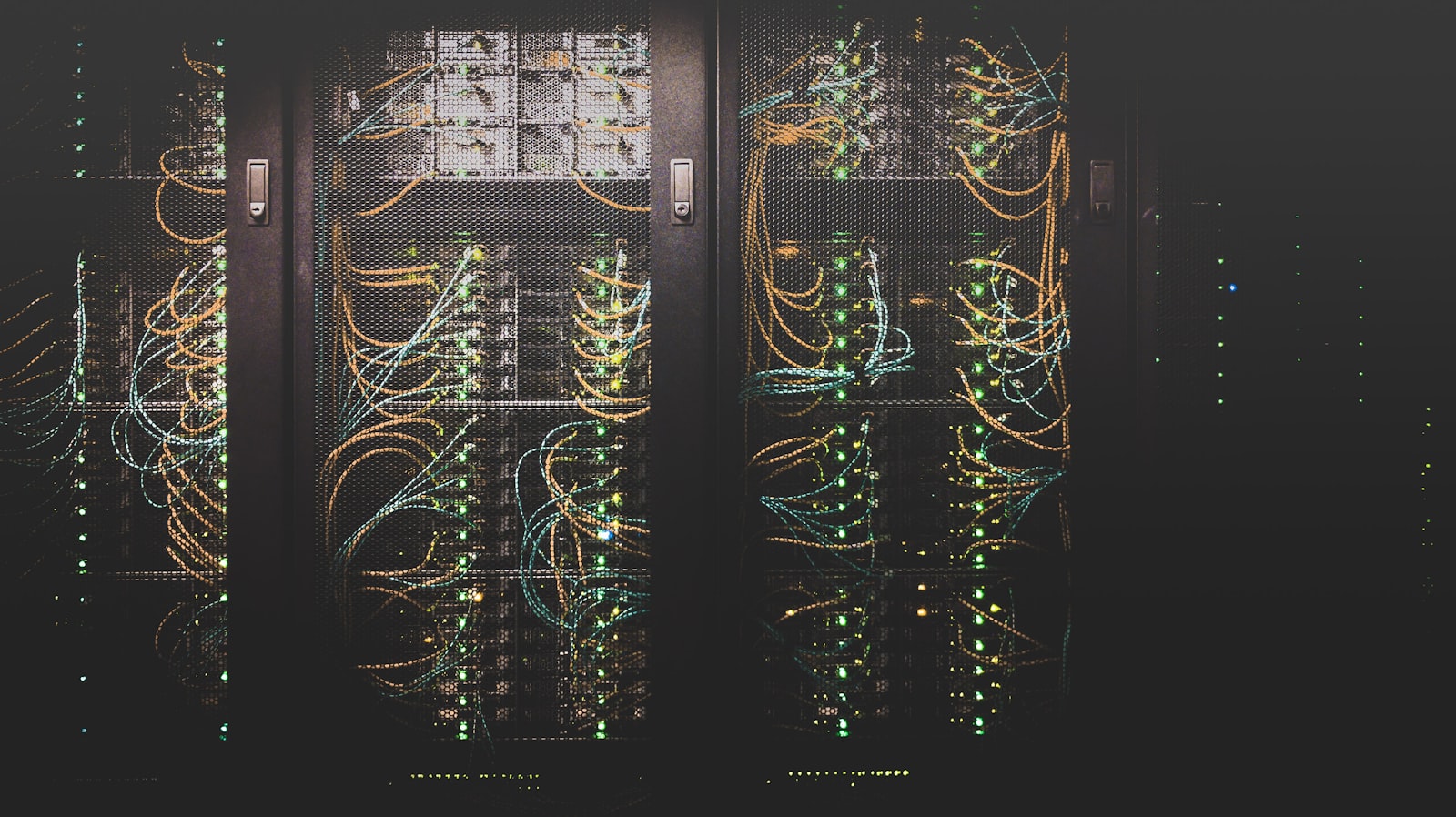
Every viral model training run and every streaming binge ultimately becomes heat leaving a building somewhere. Data center operators feel that thermodynamic truth in their power bills and in the patience of neighbors who share the grid. Efficiency is no longer a green badge; it is a constraint on growth. Facilities that cannot cool denser racks lose deals to competitors who can.
Liquid cooling has moved from exotic HPC labs toward mainstream colocation. Direct-to-chip loops and immersive tanks raise capex but cut fan energy and improve peak performance. Hybrid designs—air for legacy racks, liquid for AI clusters—let campuses transition without stranded assets.
Telemetry advances make optimization measurable. Fine-grained temperature maps, airflow modeling, and AI-assisted setpoint tuning trim waste that human schedules miss. Operators benchmark power usage effectiveness honestly, including overhead when offices share a site.
Grid interaction matters too. Demand response contracts reward curtailable load during peaks. On-site batteries and short-duration storage smooth renewable variability. Locating new builds where transmission capacity exists avoids bottlenecks that spark public opposition.
Water stewardship draws scrutiny in arid regions. Closed-loop systems and air-side economizers reduce withdrawals. Reporting gallons per kilowatt-hour alongside carbon metrics gives communities a fuller picture of trade-offs.
Hardware vendors now publish thermal envelopes so facility engineers can simulate heat rejection before racks arrive. That shift reduces costly retrofitting of chilled-water plants that were sized for yesterday’s densities. Standardized form factors also ease second-life resale when GPUs refresh on shorter cycles than facility leases.
Renewable power purchase agreements are negotiating for hourly matching instead of annual averages in leading markets. Data centers willing to shift non-urgent batch jobs to windy nights help grids absorb variable generation while keeping customer SLAs intact.
Neighborhood relations improve when operators share noise and traffic data proactively. Nighttime truck routes and sound walls are cheaper than fighting municipal moratoria after complaints spike.
Lifecycle assessments now factor embodied carbon in steel and concrete against operational savings from efficiency gains. Finance teams translate those curves into net-present-value decisions that satisfy both sustainability committees and bond covenants.
Edge inference deployments sometimes return workloads closer to users, relieving core facilities during peak inference bursts. Orchestrators that can burst jobs geographically without violating data residency rules are becoming differentiators in RFP responses.
Immersion cooling vendors publish safety sheets that facilities teams study before firefighters tour retrofitted halls. Harmonizing local code, insurer checklists, and manufacturer specs upfront avoids stalled occupancy permits.
Customers benchmarking providers should ask for seasonal power usage effectiveness curves, not single annual averages. Climate and workload mix swing numbers more than marketing one-pagers admit.
Finally, sharing anonymized efficiency benchmarks across tenants in multi-tenant campuses helps everyone justify retrofits to landlords who might otherwise defer capital projects.
Operators who publish outage postmortems—with root cause and remediation timelines—signal maturity to enterprise buyers weighing multi-year commitments.
Photo gallery


Customers increasingly ask suppliers for efficiency data alongside uptime charts. The operators who treat cooling and power as first-class product features—not afterthoughts—will carry the next wave of capacity without overheating their balance sheets or the planet.